Archides: A Typeface for Epic Projects
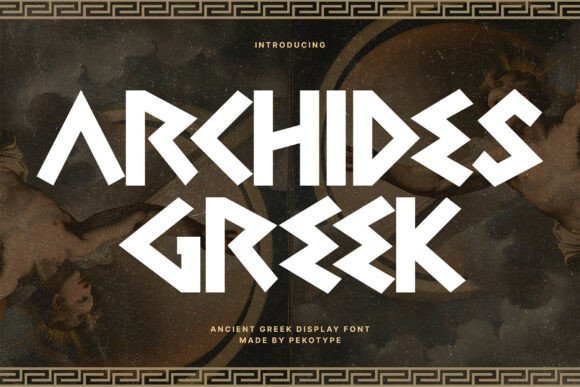
Step into the grandeur of classical civilization with Archides, a bold and unique ethnic display font inspired by the legendary forms of ancient Greek lettering. Every stroke is carefully crafted to capture the strength, mystique, and artistry of Hellenic culture, making it perfect for projects that demand a powerful visual presence. This isn't just another premium font; it's a design asset with a distinct personality, one that can instantly transport your audience to an era of myths, philosophy, and monumental architecture. For designers, marketers, and creators, understanding a typeface like Archides is key to unlocking new creative possibilities.
Decoding the Visual Language of Archides
At its core, Archides is a display font, meaning it’s engineered for impact at larger sizes, not for body text. Its character is defined by a series of deliberate design choices. You’ll notice geometric edges and strong, structured letterforms that echo the precision of classical Greek inscriptions. The shapes are distinctive—think of the sturdy, angular quality of letters carved in stone, yet refined for a modern visual hierarchy. This gives the font a sense of authority and timelessness. It carries the weight of history without feeling archaic or difficult to read in a contemporary context. The overall appeal is one of cultural richness, making it a powerful tool for brand identity projects that want to convey legacy, strength, or a connection to foundational Western art and thought.
Where Archides Truly Shines: Practical Applications
The true value of a creative font lies in its application. Archides excels in scenarios where you need to make an immediate, memorable impression. Consider its use in logo design for a boutique winery, a historical documentary series, or a high-end architectural firm. The font’s inherent gravitas helps establish brand perception as serious, cultured, and established. For game titles and movie posters, especially those in the epic fantasy or historical drama genres, Archides provides an instant sense of scale and adventure. It sets the stage for a story of heroes and legends.
Beyond entertainment, its utility extends into marketing and digital design. Use it for impactful social media graphics announcing a major launch, or for the headline of a blog post on classical history. In editorial design, it can grace the cover of a magazine or the title page of a book series. For packaging design, think of artisanal products, craft spirits, or specialty foods where a touch of antiquity communicates authenticity and quality. The key is to use it strategically as a headline or accent font. Pairing it with a clean, neutral sans serif font for body text creates a beautiful contrast that maintains readability while letting Archides command attention.
Making Archides Work for Your Brand
Integrating a commercial font like Archides into your toolkit requires a thoughtful approach. First, evaluate project fit. Does your brand’s story involve heritage, strength, mythology, or artistry? If yes, Archides could be a perfect match. If your brand is minimalist, tech-focused, or playful, it might create a conflicting message.
Next, focus on font pairing. This is critical for professionalism and consistency. A serif font like Archides pairs well with a simple sans serif font. Avoid pairing it with another ornate script font or handwritten font, as this will create visual chaos. Test combinations in your actual design mockups to see how they interact. Pay close attention to readability—Archides is designed for headlines, so ensure any supporting text is set in a highly legible face.
Review the included styles. A robust display font family might include variations in weight (light, regular, bold) or stylistic alternates. These features give you flexibility within the same aesthetic. Finally, always check the commercial licensing to ensure it covers your intended use, whether for a client project, merchandise, or digital ads. By following these steps, you can leverage Archides not just as a decorative element, but as a strategic component of your visual communication, enhancing audience engagement and building a stronger, more distinctive presence in the marketplace.