Howdy Heart: A Western Typeface with Retro Charm
You’re scrolling through a gallery of display fonts, looking for something that doesn’t just sit on the page but speaks with personality. You need a typeface that feels handmade, carries a touch of nostalgia, and has enough boldness to anchor a design. Enter Howdy Heart, a western-style typeface that captures the spirit of vintage hand-lettering with a distinctly modern, whimsical edge. It’s not just a font; it’s a design asset built for projects that demand warmth and character.
The Anatomy of a Whimsical Western Font
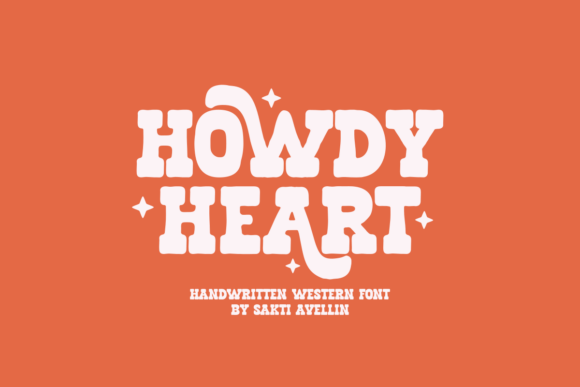
At first glance, Howdy Heart commands attention with its chunky contours and playful curves. Unlike rigid, traditional western fonts that often feel dusty or overly ornate, this typeface softens the edges. The letterforms feature a handwritten font quality that feels organic, as if sketched by a sign painter who loves smiling. This balance is crucial for modern typography. You get the ruggedness associated with the "Wild West" aesthetic, but it is tempered by a friendliness that makes it accessible to a wider audience.
The dynamic alternate feature is where this premium font truly shines. In high-quality font design, alternates allow you to swap out specific letters to change the rhythm of the text. With Howdy Heart, you can avoid repetitive shapes that scream "digital default." Instead, you can create text blocks that look genuinely hand-lettered. This versatility makes it far more than a standard creative font; it is a toolkit for creating custom typography. Whether you are working on logo design or social media graphics, these alternates ensure your text feels bespoke rather than templated.
Strategic Applications: From Branding to Packaging
Choosing a display font is a strategic decision. It sets the emotional tone before a customer reads a single word of copy. Howdy Heart fits specific niches exceptionally well, particularly where brand identity relies on approachability and authenticity.
Revamping Branding and Logos
For logo design, legibility at various sizes is paramount. Howdy Heart works best as a primary logotype for brands that want to feel established yet friendly. Think of a local coffee roaster, a boutique pet groomer, or a vintage clothing line. The font’s bold weight ensures visibility on storefront windows and digital favicons alike. When paired with a clean sans serif font for body copy, it creates a visual hierarchy that guides the eye naturally. The western influence suggests tradition and craftsmanship, while the whimsical curves suggest a modern, customer-centric approach.
Packaging and Product Design
In packaging design, shelf appeal is everything. A creative font like Howdy Heart adds instant flair to product labels. Imagine it on artisanal hot sauce, craft beer, or specialty jerky. The font’s personality communicates flavor and care. However, readability is key here. When applying it to packaging, ensure the kerning (spacing between letters) is adjusted so the chunky contours don’t crowd each other. This attention to detail elevates the product from homemade to professional, helping small business owners compete with larger brands.
Digital Presence and Editorial Design
Don't limit this typeface to physical goods. In web design, Howdy Heart can be a powerful tool for hero sections and call-to-action headers. It breaks the monotony of standard web-safe fonts, offering a refreshing user experience. For editorial design, such as blog headers or magazine pull quotes, it adds a voice to the content. It tells the reader, "This section is important, and it has personality." For content creators and bloggers, using this font for Pinterest pins or Instagram stories can significantly increase engagement by stopping the scroll with its unique aesthetic.
Mastering the Mix: Font Pairing and Hierarchy
One of the most common mistakes in modern typography is using two expressive fonts that fight for attention. Because Howdy Heart has a strong personality, it requires a grounding partner.
The most effective strategy is font pairing with a neutral companion. A geometric sans serif font (like Montserrat or a similar clean typeface) works beautifully. The sans serif handles the "heavy lifting" of body text—pricing, descriptions, and instructions—ensuring maximum readability. Howdy Heart then steps in for headlines, sub-headers, and accent text. This contrast creates a professional look that feels balanced.
Avoid pairing it with a script font or another handwritten font. The visual noise will be too high, making the layout look cluttered. Instead, let Howdy Heart be the star of the show. If you are working on a brand identity guide, define specific rules for when to use the font. For example: "Use Howdy Heart for H1 headers and CTA buttons only. Do not use for paragraphs longer than two lines."
Practical Guide: Testing and Licensing
Before finalizing a commercial font for a project, practical testing is essential. Howdy Heart is designed for versatility, but context matters.
- Readability at Scale: Test the font at the size it will actually be used. A display font looks different at 72pt on a screen versus 14pt on a business card. Ensure the "whimsical" details don't get lost when scaled down.
- Check the Glyphs: Explore the character map. Does the font include the punctuation and special characters your specific project needs? High-quality design assets usually include a comprehensive set.
- Color and Contrast: Western fonts often have heavy strokes. Test Howdy Heart against various backgrounds. It usually performs best with high contrast (e.g., dark text on light backgrounds) to highlight those chunky contours.
- Licensing: Always verify the license type. If you are a small business owner selling merchandise (t-shirts, mugs, tote bags), you typically need an extended commercial license. Ensure your purchase covers the specific usage to avoid legal headaches later.
Elevating Your Creative Journey
Ultimately, the tools you choose define your creative output. Howdy Heart offers a specific flavor—a blend of western grit and retro sweetness that is hard to find in the sea of generic fonts. It is an excellent choice for marketers looking to humanize a campaign, entrepreneurs building a distinct brand identity, or crafters adding a professional touch to their goods.
By understanding its strengths—its dynamic alternates, its bold presence, and its pairing requirements—you can move beyond simply "decorating" a page. You can use Howdy Heart